A Step-by-Step Guide of things to consider for Retreat Leaders
Most retreat leaders don’t struggle with the part they’re best at. The sessions, practice or the emotional choreography of a week; that’s the work you already know how to do. What undoes a retreat in Italy is everything around the programme: the logistics, who to use for your experiences, the gap between what a venue promised over email and what greets your group on arrival. Whether you’re planning a yoga retreat in Italy, a wellness retreat, a writing intensive or a mindfulness week, this is a guide to planning the parts that aren’t the programme, so the programme has room to do its work.
Does the location match the theme of your retreat?
Season is one axis; landscape is the other. The strongest retreats happen when the place itself echoes the work; when participants step outside and the environment is already saying what your sessions are about to say.
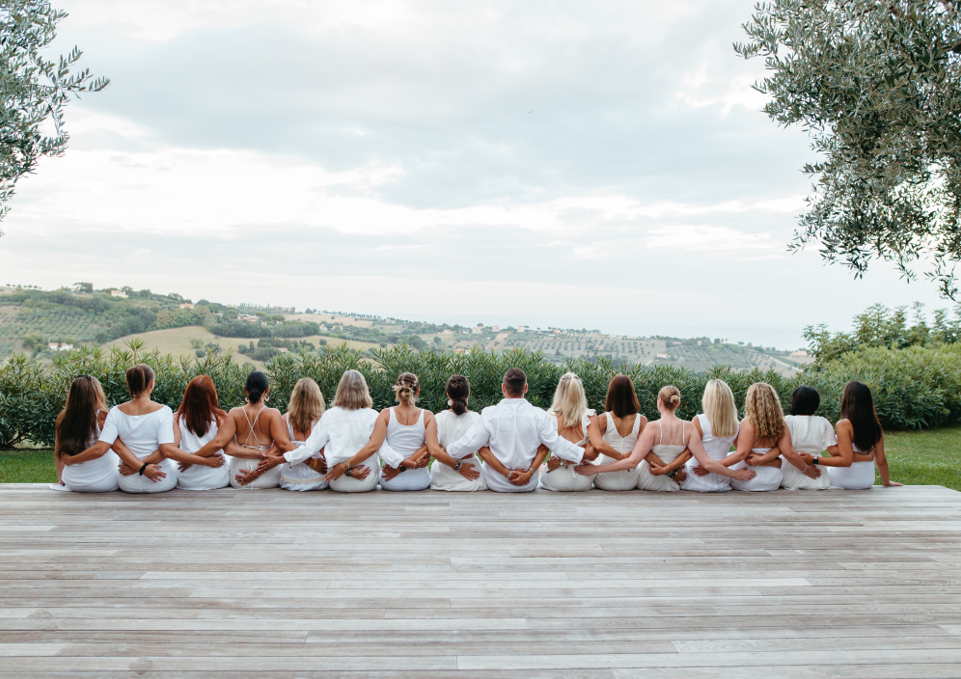
This is where a region of genuine variety earns its place. A retreat about expansion and release wants an open horizon. A retreat about grounding and containment wants to feel immersed in nature, possibly cocooned by woodland and the hush of the hills. A retreat about creativity and attention wants texture and inspiration close at hand.
Ask it plainly of any venue: does the environment reinforce my theme, or merely sit behind it? A place that can offer grounding and expansion and creative stimulation, lets the location become a co-facilitator rather than a backdrop.
Choose the region before the venue
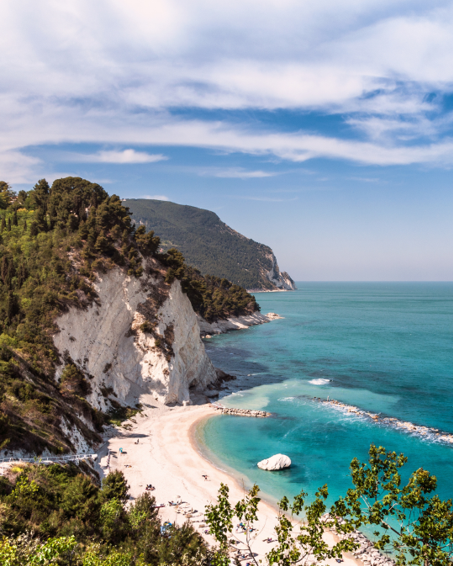
Italy is not one destination. Tuscany, the Amalfi Coast, the Dolomites, Puglia, Le Marche; these are different countries as far as your participants’ experience is concerned. The better-known regions bring name recognition, but they ask more of you once you arrive: queues for the things worth seeing, coach tours threading through the hill towns, restaurants and transfers priced for peak demand, and the particular flatness that comes when a place has learned to perform for visitors. Every one of those is friction your group feels and you have to manage. The lesser-known regions ask a little more in up front research but can give back something rarer: a place that is still itself, where the effort goes into the retreat rather than into working around the crowds.
We’ve written a separate guide to choosing your region, but the headline is this: match the region to the retreat, and really consider the weighting you give to “stillness” and “authenticity” versus “fame,” because your participants will feel the first two and forget the third by day two.

Are you looking for a venue, or a venue with support?
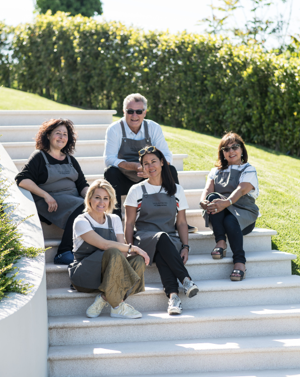
This is the question underneath all the others, and it’s worth asking out loud early. Some places offer you a space, a beautiful building, a set of keys, and the rest is yours to arrange. Others offer space and support: airport transfers, dietary requirements communicated to the kitchen, local experiences booked and briefed, the daily rhythm handled so you can simply lead. Neither is wrong, but they produce very different weeks, and a venue that markets the first while implying the second is the most common way a retreat in Italy goes sideways.
The retreat that changes people is not led by someone who spent the previous month answering catering emails. So decide deliberately which you’re buying. If you want a venue with support, ask early and specifically: does the venue run a concierge model, or simply hand you the keys? Who arranges the transfers? Who talks to the kitchen about allergies, and confirms it? Who briefs the truffle hunter on what time your group arrives? Who does their best to reorganise the boat ride if there are weather issues? The difference shows up on the first morning, when you either arrive as a leader or as a tired logistics coordinator.

Start with what the place needs to do, not where it is
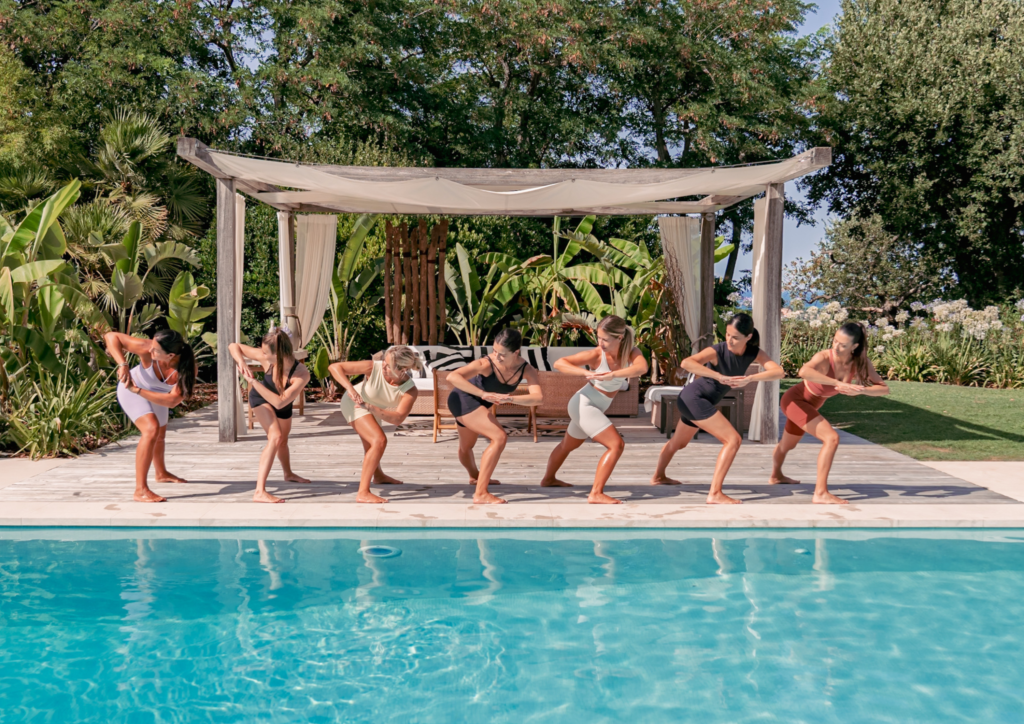
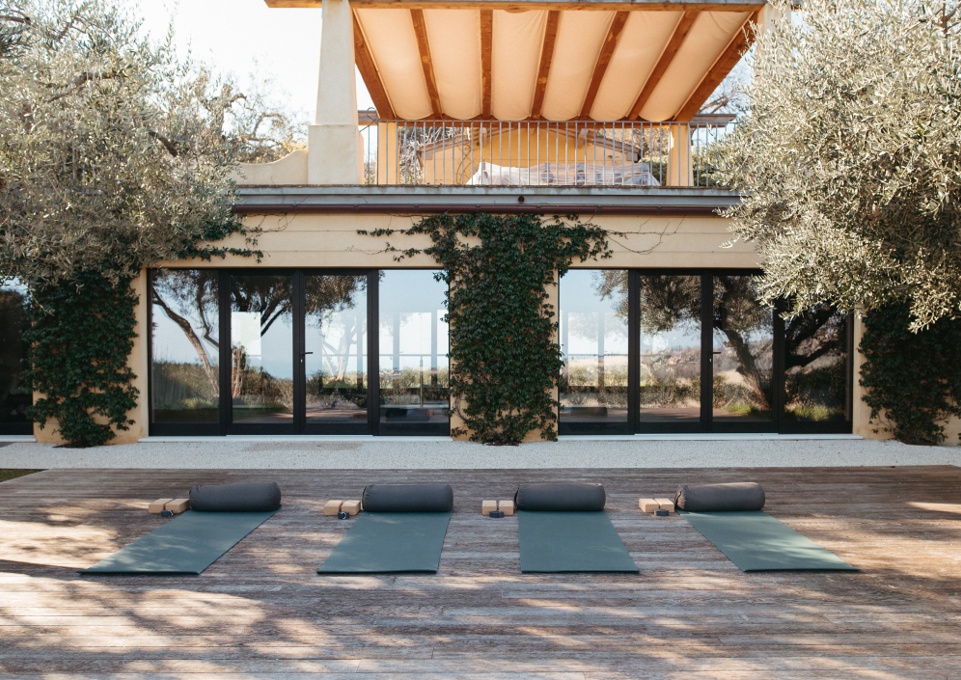
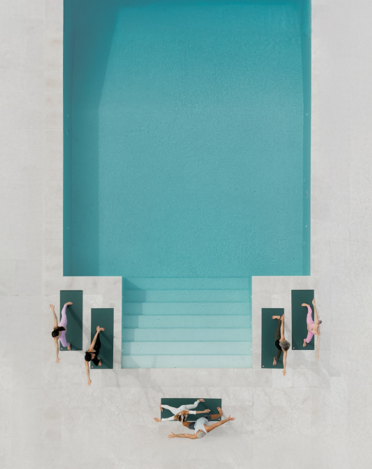
Before you look at a single property, get clear on what you need the environment to give your group; and then make sure the space can actually provide it. The needs are real and specific: a yoga retreat needs the right space to practise, room to move and breathe; a Pilates retreat needs the right equipment, properly set; a culinary retreat wants a kitchen at its heart and a market within reach; a painting or writing intensive wants calm, and nature right outside the door to draw inspiration from. These aren’t competing demands that force you to pick a region around a single use, they’re a checklist for the space itself. The right venue holds all of them, ready to become whatever your programme asks of it. Decide what state you’re trying to induce in your participants, and what each session physically needs, before you fall in love with a view.
This is the single most useful planning move, and almost nobody makes it first. They start with photographs. Start with the nervous system you’re trying to settle or stir, and the practical conditions each part of your programme requires, and let that filter everything else.
Get the timing right, match the season to your theme
Italy is blessed with seasonality, and this can play perfectly into the retreat you are trying to craft. The best time to host a retreat in Le Marche depends less on weather than on what your retreat is about. The region is open and rewarding year-round, and each season carries its own theme; so rather than asking “when is it warmest?”, ask “which season mirrors the work I’m holding?”
Spring (March–May): renewal and beginnings. Green hills, wildflowers, long light, and a region visibly waking up. The natural fit for retreats about rebirth, fresh starts, movement, and shaking off a long winter. The light is generous and the air is kind for walking and outdoor practice.
Summer (June–August): warmth, abundance, the coast. Long evenings, the Adriatic at its best, a region in full bloom, Lavender fields are full. Easily shaped around the sun and beautiful sea breeze, with early-morning practice and shaded afternoons, and ideal for retreats with a celebratory, expansive, or sea-facing desire.
Early Autumn (September–October): harvest and gratitude. The vendemmia — grape harvest — arrives, the food calendar turns its most generous, and September holds warm sea alongside near-empty beaches. The natural season for retreats themed around abundance, gathering in, gratitude, and the fruits of effort.
Late autumn (November): the truffle, and going beneath the surface. Truffle season, when a hunt through the woods becomes one of the most powerful experiences a retreat can offer — moving slowly, following something you don’t yet understand. Fitting for retreats about depth, patience, and attention.
Winter (December–March): stillness and going inward. The region entirely to itself — hilltop villages in mist, fires lit, the truffle still appearing. The deep quiet suits introspective, indoor-centred work: silence, reflection, and rest, better served here than in any busier season.
The practical move: work backwards from your retreat’s theme and let the calendar, and what’s growing, harvest at that moment, choose your window. Let the food, the experiences and the rhythm shift to meet whichever season you arrive in.
Decide what kind of space your retreat needs
This is the decision that quietly determines whether your retreat goes deep or stays shallow ”” and it’s less about luxury than about control of the environment. The real question is how much of the space you want is oriented entirely around your group’s rhythm. A large hotel brings professional service but divides its attention across many guests; the container leaks when strangers share the lobby, the pool and the silence between sessions.
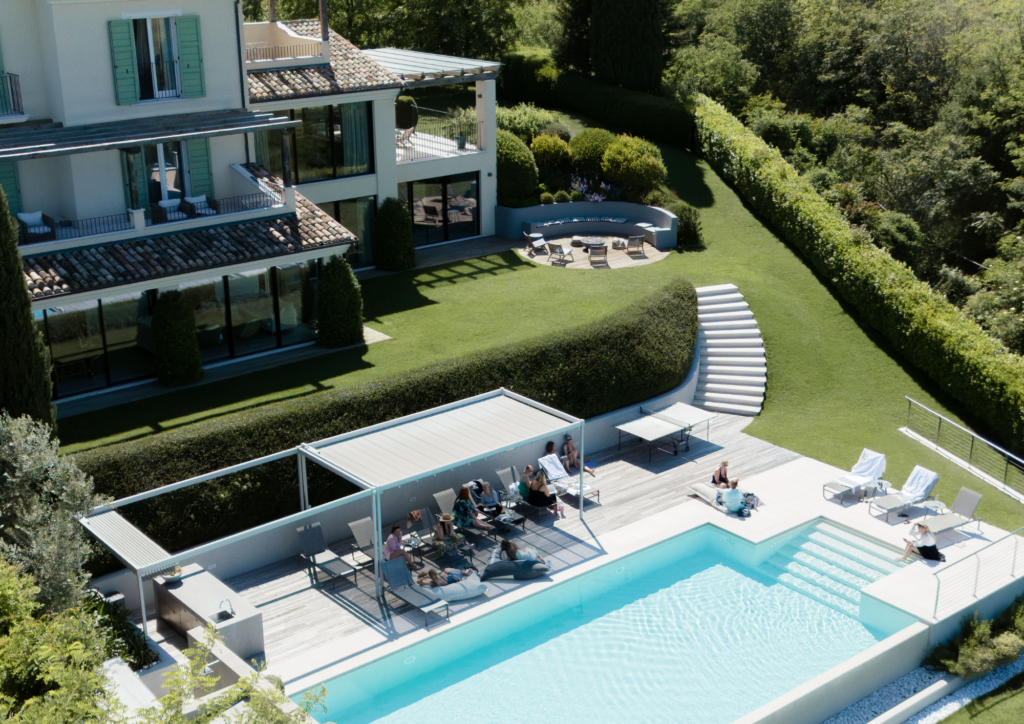
At Oliveto, there are two ways to host, and both protect the work. You can take the whole estate on an exclusive-use basis; both villas, the grounds, the studio, the kitchen, all of it yours, with nothing happening that you haven’t shaped. Or you can host in Olivo alone, where another small group may be in residence, but where the studio, the spaces and the daily flow are managed with genuine mutual respect ; quiet hours honoured, practice spaces shared by arrangement rather than chance, each group’s container protected. It’s a different model from a busy hotel: not strangers passing through on holiday, but a considered place where everyone is there for the same kind of reason.
Think too about scale and configuration. Some retreats want everyone under one roof for intimacy; others benefit from spreading across separate buildings so the group comes together for sessions and meals, have moments of celebration around the fire pits, but can still find spaces to retreat to calmer corners in between. Our two villas can be taken together for a larger group or used as distinct spaces within one estate, which gives a retreat leader room to shape how close or how spacious the week feels. Whatever the configuration, consider if you wish to have a shared or private space for your retreat.

Choose experiences for what they do, not what they are
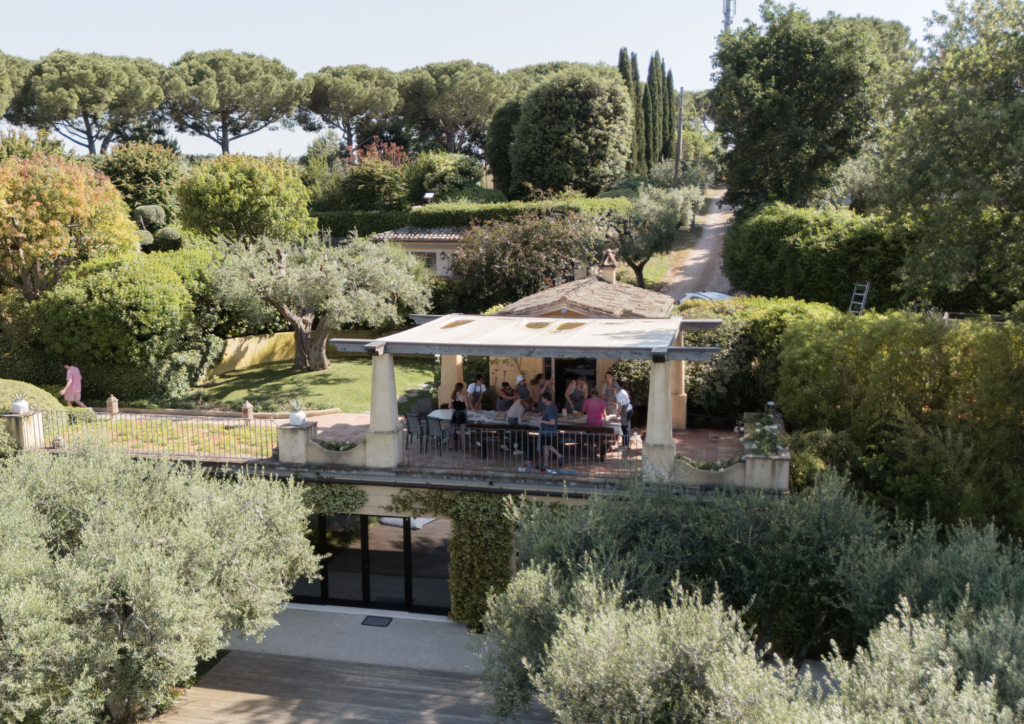
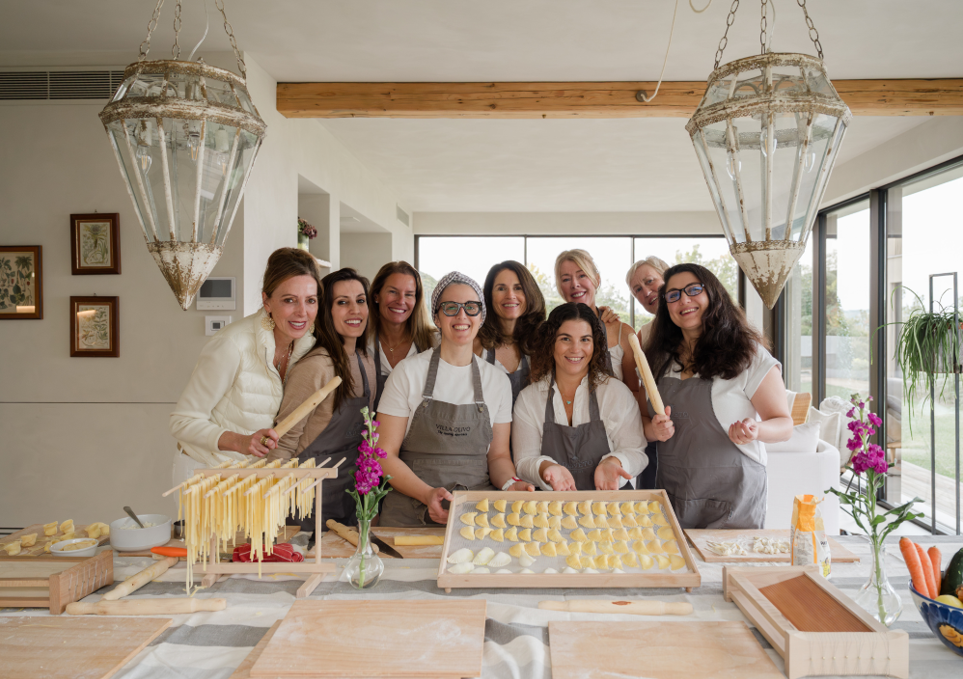
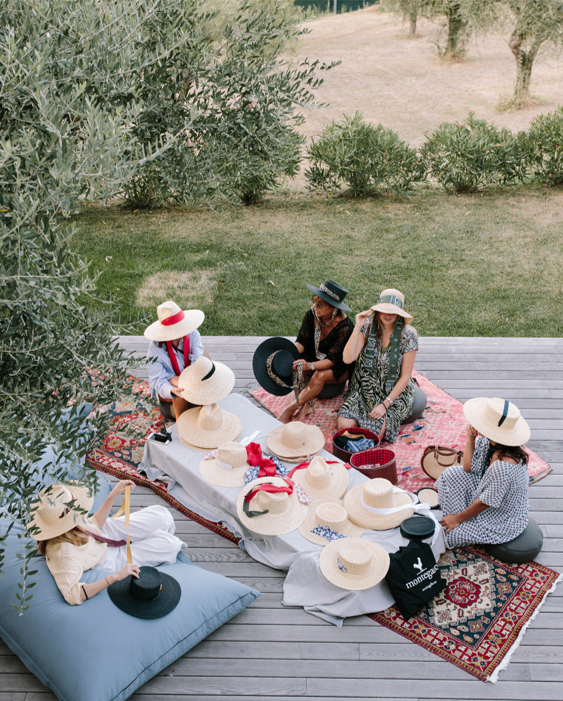
The truffle hunt, the sound bath, the pasta-making afternoon, the visit to the winemaker, these are not simply entertainment between sessions. You can use this as an opportunity to select each experience to support each of your daily intentions. Need to reground a group that has just stepped off flights and out of their busy lives? Open with something settling like a grounding sound bath. Want the group to relax and get to know each other early? A hands-on pasta-making session does more for cohesion than any icebreaker. Reaching for stillness and attention mid-week? A truffle hunt asks people to slow down and follow something they don’t yet understand. Looking for a reflective note near the end? An hour with a winemaker who has devoted his life to one hillside gives them something to sit with.
Sequenced this way, experiences become mirrors for the themes you’re working with rather than simply items on an itinerary. The best way to get there is with a venue that plans the flow with you. At Oliveto, we design the rhythm of your retreat alongside you; from arrival to departure, aligned to your sessions and to how you want guests to feel on each day, so the experiences land at the right moment rather than being bolted on as a free afternoon.

A simple planning sequence
- Define the state you want the environment to create.
- Choose the region that produces that state.
- Lock the season and dates around the theme, the food calendar, and the seasonal experiences you want at the centre.
- Choose the kind of space that fits the group, whole-estate exclusive use, or Olivo with respectful shared use.
- Confirm the venue handles logistics, not just lodging.
- Weave local experiences to mirror your flow for the stay.
- Arrive early enough to land before your participants do.
Do these seven things in this order and most of the ways a retreat in Italy goes wrong simply never arise. The programme is yours. Everything around it is a series of decisions you can make well in advance, rather than discover things that dislodge your flow whilst on retreat.