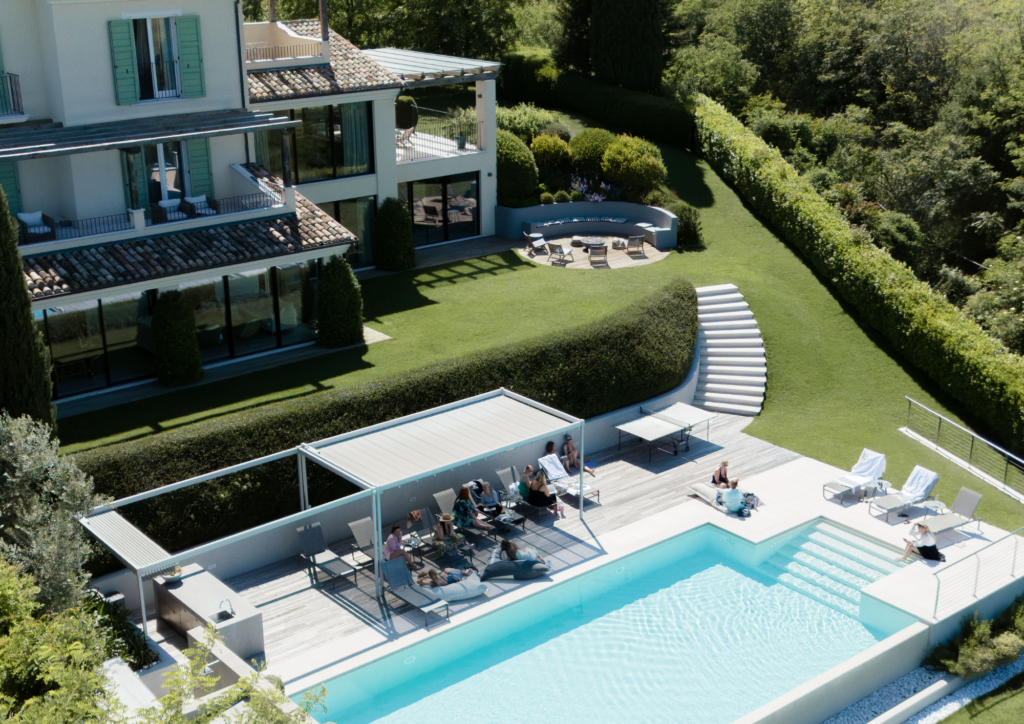
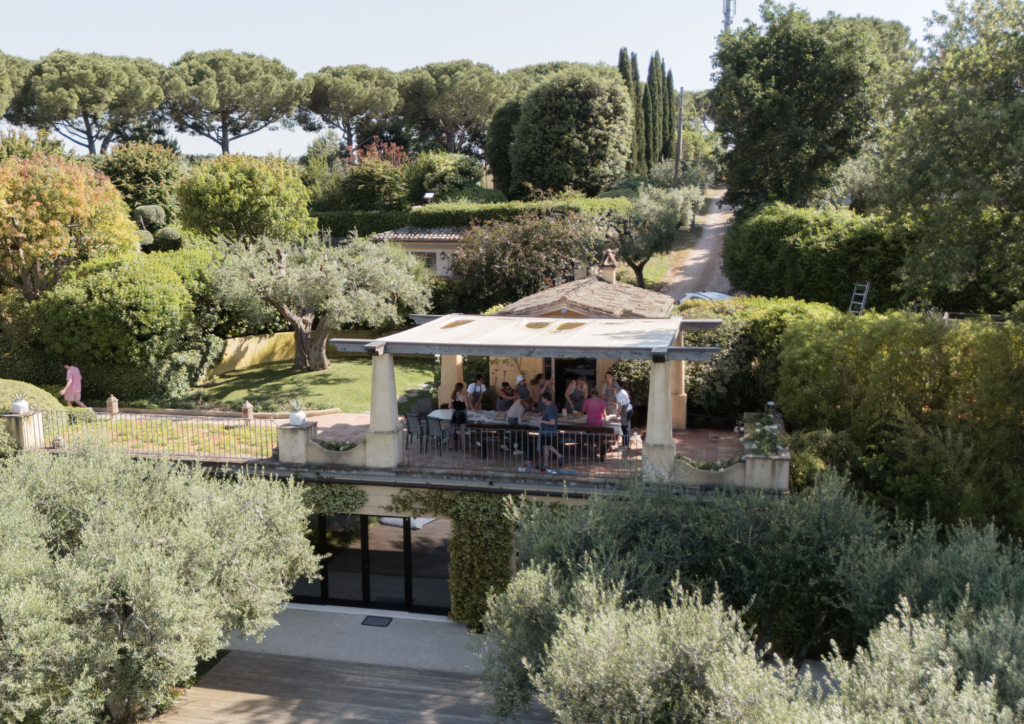
Italy has no shortage of beautiful properties, and almost any of them will photograph well with a rolled-out yoga mat and a bowl of figs on a stone table. That image is easy to stage. What it doesn’t tell you is the thing that actually determines whether your retreat works: is this a place genuinely built and run for retreats, or a lovely holiday rental that has learned the word? The two look almost identical on a website. They are completely different to host in. This is how to tell them apart before you commit a deposit and a year of your reputation.
The Airbnb in yoga-mat clothing
There is a whole category of property that markets to retreat leaders without ever having been designed for them. The signals are subtle until you know them. The yoga space is the dining terrace with the table pushed back. The “studio” is a sitting room with the sofas moved. The photos show one group, always the same group, in soft evening light, because that was the one retreat that ever happened there, and it was the owner’s friend. Ask how many retreats they hosted last year and the answer goes vague. These places can be beautiful and still cost you dearly, because everything the property hasn’t thought through becomes a problem you discover in real time, in front of your guests.
A property set up for retreats has solved these things before you arrive, because it has lived them. It knows where twelve people actually put their shoes, how the light falls in the movement space at 7am, where the power sockets are for a sound system, what happens to an outdoor session when the weather turns. None of that shows in a photograph. All of it shows on day two of a real retreat.
A partner not a place
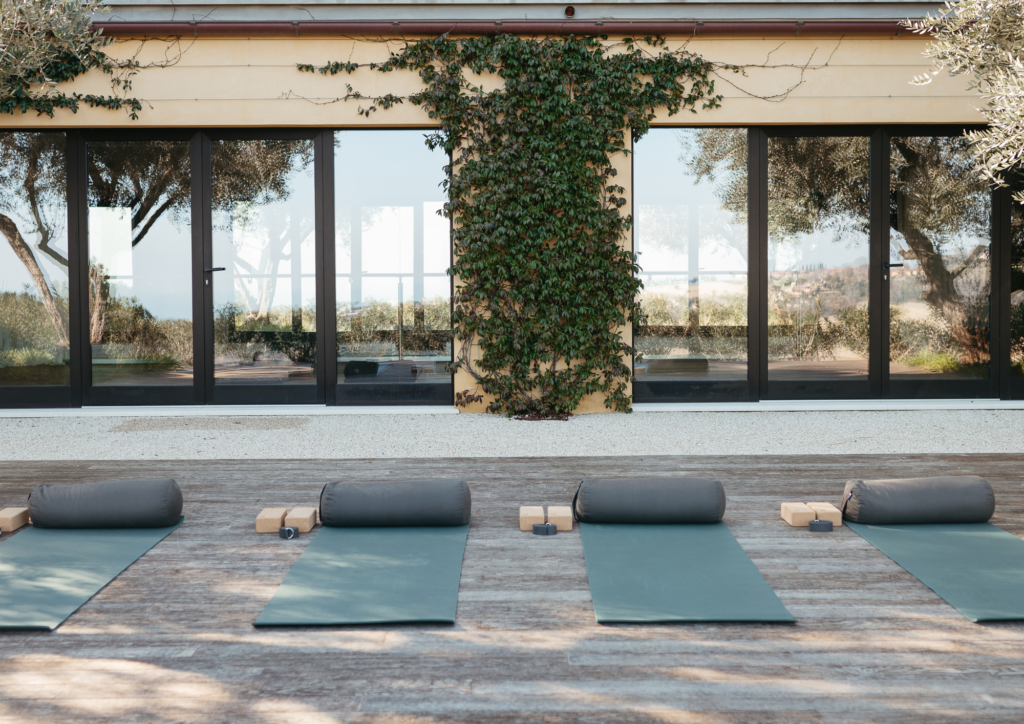
Retreat leaders should be thinking they are finding a partner on the ground, not just a place. If they want time to hold space and focus on their guests, Airbnb won’t be the right choice as they will hand them the keys and leave them to it. A real venue will support them with logistics, local introductions, and everything else that goes wrong on a property nobody has run a retreat on before.


Ask the question that cuts through: how many, and how recently?
The single most clarifying question you can ask a venue is also the simplest: how many retreats have you hosted, and when was the last one? A genuine retreat venue answers instantly and specifically, numbers, types, the leader you could call. A property playing dress-up answers in adjectives. Follow it with: can I speak, unprompted, to a retreat leader who has hosted here? A venue that runs retreats for a living will connect you to someone directly, without a scripted testimonial in between. A property that has done it once or twice will find reasons not to.
A venue’s confidence about its track record is the fastest read you have. Real retreat venues are proud of theirs and specific about it.
How they communicate before you ever arrive
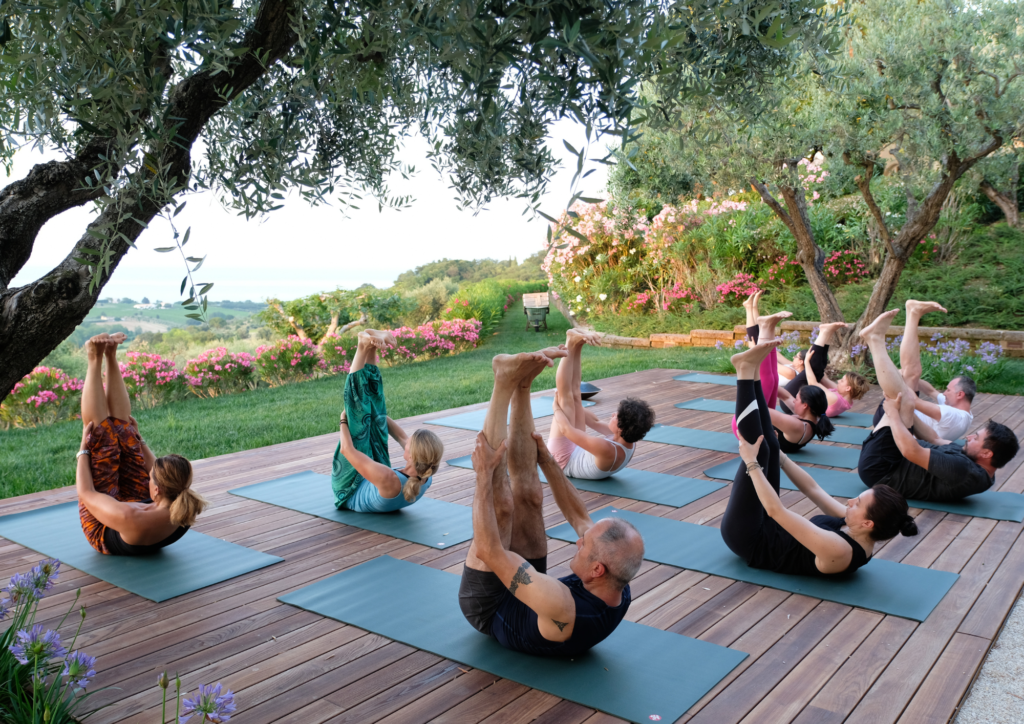
This is the tell most leaders miss, because it happens in inbox and WhatsApp, not on a site visit. A property’s communication style during planning is a near-perfect preview of what it’ll be like under pressure mid-retreat. Notice the response time to a detailed question, not a general enquiry, a specific one about sockets, allergies, or weather contingencies. A real retreat venue answers in hours with specifics, because someone there has actually solved that problem before. A holiday rental answers in days with reassurance.
Notice, too, who answers. Is it one person who knows the property and your retreat by name, or a rotating inbox where you re-explain your group each time? Retreats run on dozens of small decisions in the weeks before arrival, room allocations, dietary changes, a guest’s flight delay, a last-minute addition to the group. A venue built for this work has one point of contact who carries that context the whole way through, and who tells you what they need from you rather than waiting to be asked. A property that’s improvising will go quiet on the details that don’t photograph well, because nobody owns them.
The test isn’t whether they’re friendly. Most are. It’s whether they communicate like people who have hosted a hundred retreats and know exactly what a leader needs to hear two weeks out, or like people hoping it goes fine.

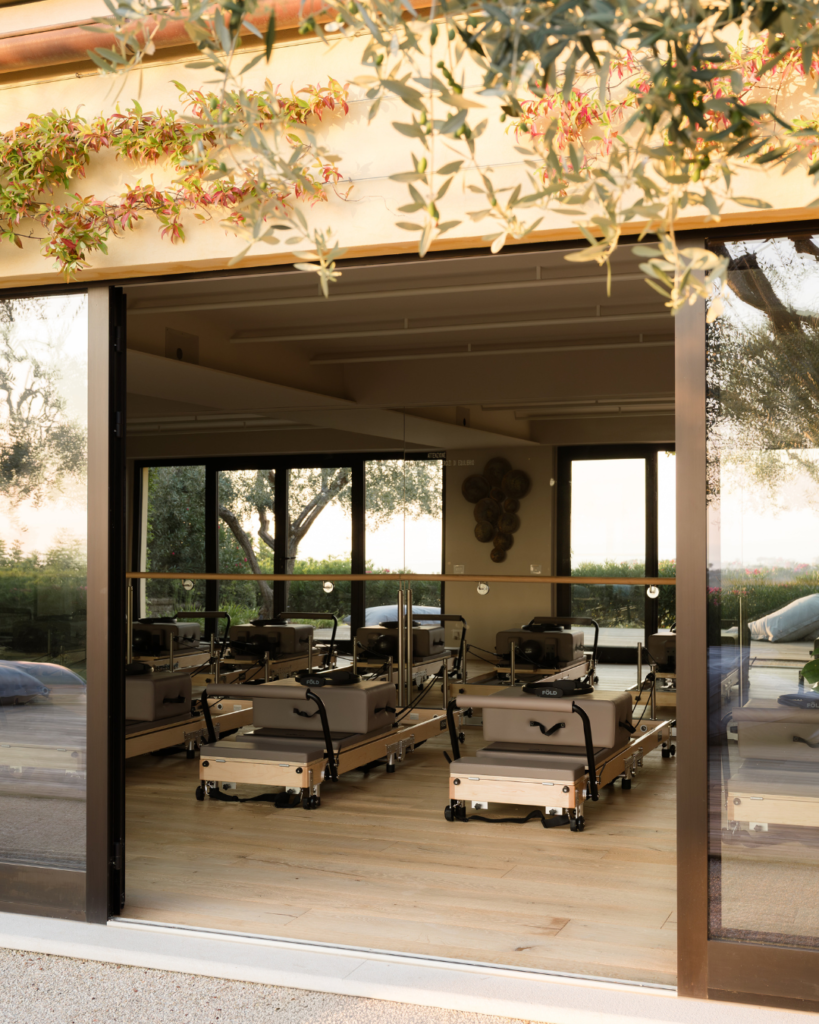
What the environment does to people; not what it looks like
Once you’ve established the place is real, the next question is what it does to a person. Walk it — or video-walk it — asking what it asks of the body. Does the scale of the view make people look up, breathe differently, feel small in the way that’s actually a relief? Is there variety: something grounding for mornings, something expansive for afternoons, somewhere quiet to break down between sessions? And critically, is it still? Not silent — a living landscape never is — but free of the ambient noise of tourism: the coach park, the queue for the viewpoint, the next group’s music drifting over the wall. Those intrusions are small individually and corrosive to a container collectively.
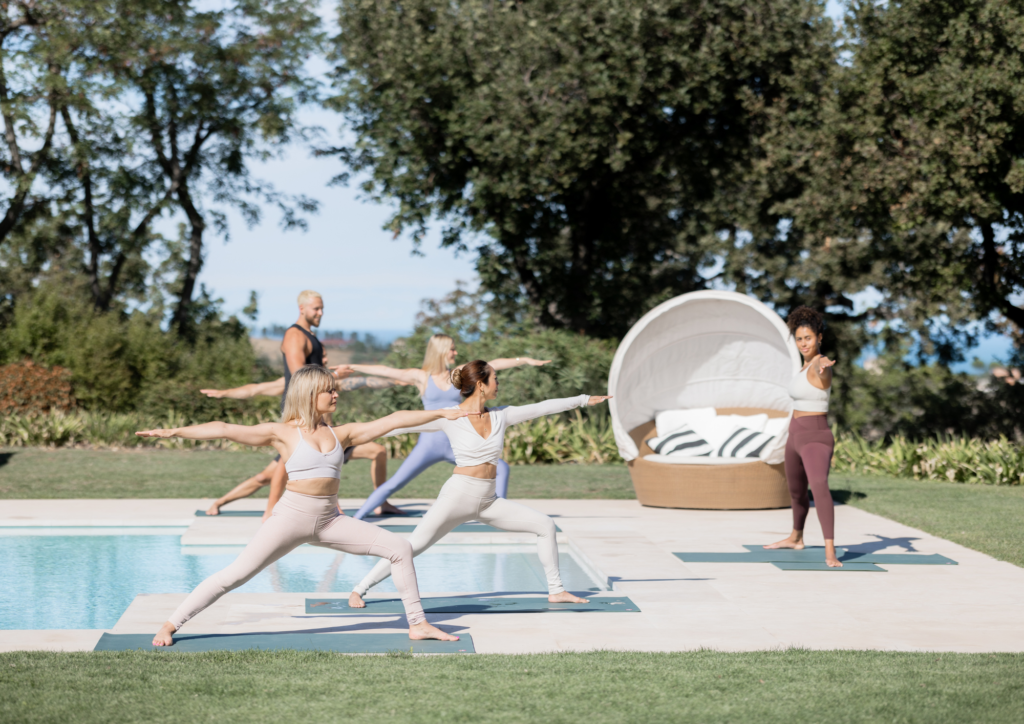
Is it genuinely yours — and at what scale?
A real retreat venue can tell you precisely what exclusive use means on their property and offer it without flinching, because their model is built around one group at a time. Press on the specifics: does “exclusive” mean the whole estate, or just your accommodation while other guests use the grounds? Will any booking overlap yours, even by a night? Can the practice spaces be set for your programme without negotiation? A property that mainly does holiday lets will hedge, because exclusivity costs them their other bookings. A venue built for retreats has already chosen.
Does the kitchen think like a retreat kitchen?
Food is where pretender and professional separate fastest. A retreat kitchen understands that how people are fed shapes how they participate, lighter mornings when you need them alert, longer communal evenings when connection is the point, and it can flex around the arc of your week rather than running a fixed menu. Ask whether you can speak to the chef about philosophy before you book, whether there’s a real relationship with local producers, and whether the chef cooks what their family eats or what tests well with visitors. A holiday rental hands you a caterer’s number and wishes you luck.


Some of the most important tells, in one place
They will support your logistics, they have chefs, they have local partners on the ground and they carry it all, rather than you.
They answer “how many retreats have you hosted, and when?” with specifics, not adjectives.
They communicate proactively and specifically from first enquiry right the way through to before you arrive, one named contact, fast answers to detailed questions.
There are dedicated spaces for all types of weather for movement, gathering, eating and quiet reflection — not rooms that get rearranged.
Exclusive use is offered clearly, with no hedging about what “exclusive” includes.
The kitchen talks philosophy and flexes around your group, rather than handing you a fixed menu.
They are willing to connect you to a past retreat leader; no testimonial script.
They ask about your vision and plan for your retreat before they ask about your numbers and dates.
Any one of these can be a coincidence. Together they are the difference between a property that allows a retreat to happen and a venue genuinely set up to make one work. The first leaves the hosting to you. The second has been quietly doing it for years.

Go deeper: our full Venue Checklist & Considerations
This article covers how to tell a real retreat venue from a beautiful rental. Our in-depth Venue Checklist & Considerations guide covers everything else you should weigh before you sign, location and the power of place, accommodation and atmosphere, retreat and movement spaces, the tech that quietly holds a session together, food, local experiences, safety and security, the value and support to expect as a host, and the contract and insurance details nobody enjoys but everybody needs. It’s built to be printed and taken on a site visit, whichever venue or region you’re considering.
Download the guide
Enter your email and we’ll send you the full Venue Checklist & Considerations guide – yours to use on any venue you’re weighing up.
Get your Venue Checklist & Considerations guide here