Most venue advice stops at the property. The view, the beds, the studio. But the property is only half of what you’re choosing. The other half, the half that decides whether you arrive at your own retreat as a leader or as a frazzled logistics coordinator, is the support that surrounds it.
This is the part that doesn’t photograph: the communication before you book, the planning that saves you whole days of work, the people on the ground while your guests are there, and the care after they leave. Here is what genuine support looks like at each stage; and why it matters more than almost anything on the amenities list.
You can hold space for transformation, or you can manage logistics. You cannot do both at once. The whole value of a real venue partner is that they take the second job so you can do the first.

Before you book: the quality of the conversation and response time
The partnership reveals itself before any money changes hands. A genuine retreat venue responds quickly with information that answers your questions right off the bat. They treat the first conversation as the start of a collaboration, not a transaction. There should be a chance to connect with them on a call or online meeting and have an opportunity to view the venue too. They ask about your programme, your group, what you’re trying to create, before they ask about your numbers and dates. They offer specific suggestions drawn from retreats they’ve actually hosted. They’re responsive, clear, and unhurried with your questions. If a venue is vague, slow, or only interested in your deposit at the enquiry stage, that is the most accurate preview you will ever get of how they’ll behave when something goes wrong at 9pm on day three.
Before arrival: the planning that saves you 60+ hours
This is the most underestimated value a venue gives, and the easiest to overlook until you’ve done it the hard way. Planning a retreat from scratch, sourcing a chef, scheduling experiences around providers’ lives, arranging transfers for guests arriving on six different flights, briefing dietary requirements, building a day-by-day flow, is dozens of hours of work, most of it invisible and all of it stressful. A venue set up for retreats has done it many times and holds the relationships already and knows the quality of their partner’s work. They’ll help build the itinerary, conduct a pre-arrival walkthrough of the whole flow with you, coordinate transport, and connect you with local chefs and guides they’ve worked with for years. The hours this gives back to you, in the weeks when you’re also marketing the retreat and holding your participants’ anxieties, are the single most valuable thing on offer, and they never appear on a rate card.
- Itinerary planning, built with you around your sessions and how you want each day to feel.
- A pre-arrival walkthrough of the full flow, so nothing is a surprise on the day.
- Airport transfers and transport coordinated, not left to you and a spreadsheet.
- Dietary requirements gathered, communicated to the kitchen, and confirmed, not just collected.
- Local chefs, guides and experience providers introduced and organised through existing relationships.
- Marketing support where it helps, images, video, a feature on the venue’s own channels.
During the retreat: the people on the ground
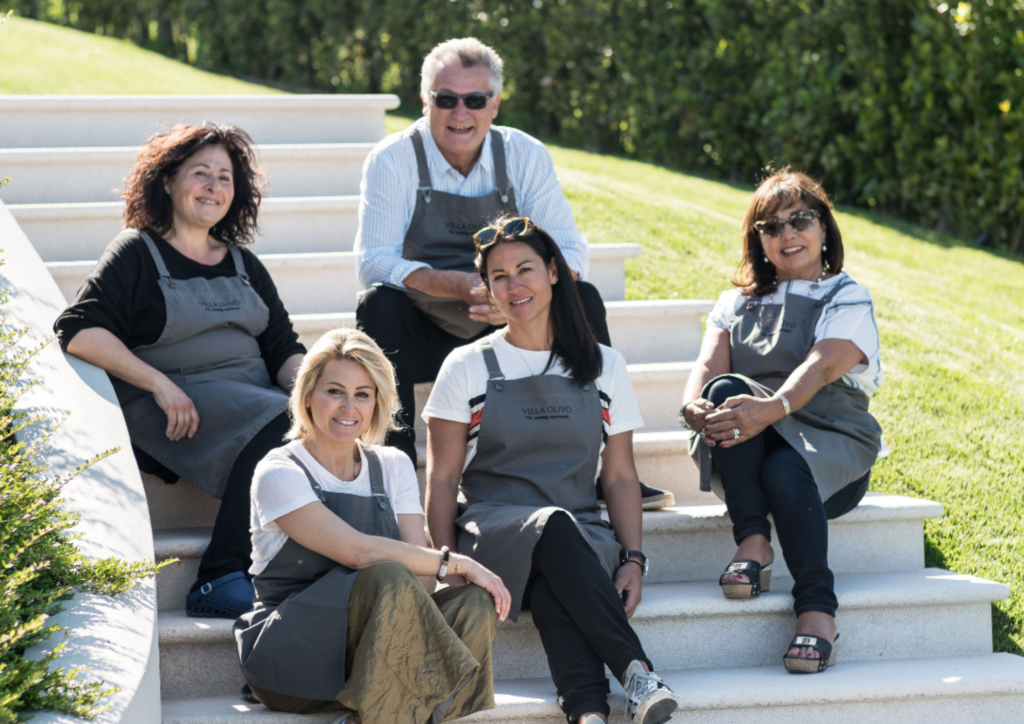
Something always happens. Flight delays, a session overruns, the weather turns, a dietary need surfaces that wasn’t declared. The question is never whether something will come up; it’s whether you’re the only one holding it when it does. A real venue partner has people present and ready: a point of contact who manages the daily rhythm, staff who handle the troubleshooting, someone who quietly fixes the thing before most of the group notices. This is what lets you stay in the room, attuned to your participants, instead of stepping out to chase a problem. The container your guests feel is, in large part, the one the venue is holding closed on your behalf.
After arrival, day to day: the logistics that disappear
The best support is invisible. Towels appear, coffee is available before the early risers surface, the afternoon’s experience is briefed and transport is waiting, dinner flexes when a session runs long. None of it is dramatic; all of it is the difference between a week that flows and a week you spend firefighting. When the itinerary is handled completely, your participants never see it; which is exactly the point. Their full attention stays available for the work, because nobody is asking them to make decisions about where to eat or how to get anywhere.

After they leave: closing the loop
The relationship shouldn’t end when the cars pull away. A venue invested in your success thinks about what comes next: clear handling of any final billing without surprises, a debrief on what worked and what to adjust, and a genuine door held open for the next one, because a venue that runs retreats for a living would far rather deepen a relationship with a leader who fits than constantly chase new ones. The leaders who find a true partner tend to come back, and the venue’s willingness to make that easy is a signal worth reading.
The real value, is the hours returned to you
When you compare venues, it’s tempting to compare the property and the headline rate. But the real value is in the hours returned to you, the problems solved before they reach you, and the confidence of arriving already held. A lower rate that leaves you sourcing, coordinating and firefighting isn’t cheaper, it has simply moved the cost onto your time and your nerves, in the weeks you can least spare them. Judge a venue on the whole arc of support, not the line that’s easiest to put in a spreadsheet.
Ask not “what does it cost,” but “how many hours, how much stress, and how much risk does this take off me?” That is the number that decides how your retreat actually goes.

Go deeper: our full Venue Checklist & Considerations
This article is about the support a venue should give you across the whole journey. Our in-depth Venue Checklist & Considerations guide turns it into a working document you can take from venue to venue – the questions to ask about partnership, planning, on-site support, value, contracts and insurance, alongside the property essentials of location, spaces, food, experiences and safety. It’s the checklist we wish someone had handed us when we started, built to be printed and used on a site visit.
Download the guide
Enter your email and we’ll send you the full Venue Checklist & Considerations guide free – yours to use on any venue you’re weighing up.
Get your Venue Checklist & Considerations guide here